

Building Turf That Performs: the Turf Fitness Webinar
Recently, we hosted a Turf Fitness webinar to introduce the science, strategy, and practical tools behind cultivating fitter, more resilient turf. The session was led by Steve Loveday, VP of Technology at Epoch Science and the technical lead behind Plant Fitness. With more than 30 years in turf research, course management, and product development, Steve’s insights offered turf managers a clear roadmap for building turf that not only survives but performs.
Healthy vs. Fit: Why the Difference Matters
Steve opened with a simple but powerful idea:
“Healthy turf can show up. Fit turf can perform.”Just as an athlete’s ability to excel is determined by fitness rather than basic health, turf performance—density, colour, recovery, stress tolerance—depends on a plant’s internal strength and resilience. This concept is the foundation of Plant Fitness and the driver behind its technologies.
The Foundation: Balanced Nutrition and Plant Physiology
More than 150 years ago, the scientist Justus von Liebig defined the essential nutrients plants require. That framework still guides turf management today. Nitrogen, phosphorus, and potassium are only the beginning. Trace elements like manganese, zinc, and molybdenum also play critical roles:
- Manganese: a key worker in the photosynthetic process
- Zinc: the “foreman,” involved in countless plant functions, including survival during submersion
- Molybdenum: essential for managing nitrogen safely within the plant
Without these elements available, especially in high-pH, calcareous sands. Turf cannot reach peak fitness.
Every day, the plant completes four major tasks:
- Photosynthesis – making carbohydrates
- Respiration – converting those carbs into energy (ATP)
- Amino acid production – building blocks of growth
- Protein synthesis – the plant’s structural and defensive currency
Stress disrupts these processes. Heat breaks down key enzymes. Shade reduces energy production. Mechanical wear damages chlorophyll. Drought closes stomates and blocks CO₂ intake. Each interruption reduces turf’s ability to grow, repair, and defend itself.
Plant Fitness technologies are designed to protect and enhance these pathways, preserving chlorophyll, improving CO₂ use, and stabilising energy production under tough conditions.
Why Roots Are the Real Story
Above-ground performance always reflects below-ground strength. Recent research from Dr. James White at Rutgers University has reshaped our understanding of roots and microbes. Plants release sugars to attract microorganisms. Those microbes enter root cells, deliver nutrients, exit—and every exit becomes a new root hair.
More microbes = more root hairs = a denser, more fibrous root system.
Plant Fitness leverages this through Soil Fit, a unique organic acid technology engineered to mimic natural root exudates. The result: increased microbial activity, enhanced nutrient availability, and stronger rooting.
Carbon: The Missing Ingredient in Sand-Based Systems
Sand is great for drainage, but poor in carbon. Microbial life thrives when carbon and nitrogen sit near a 30:1 ratio.
Plant Fitness foliar products integrate valuable carbon sources, helping turf managers boost microbial activity and drive biological synergy between the plant and soil. More activity means better nutrient cycling, better rooting, and better stress tolerance.
Training Turf to Handle Stress
Plants have two primary defense pathways:
- Salicylic Acid Pathway – activated by mechanical stress (mowing, topdressing, traffic)
- Jasmonic Acid Pathway – activated by pests and pathogens
Triggered correctly, these pathways strengthen the plant, fortify cell walls, and improve survival. But they require energy and stressed turf often runs out. Plant Fitness includes three tiers of defense activators that help turf respond quickly and effectively to environmental challenges, essentially training the plant to recognise and respond to stress earlier.
University research shows that conditioned turf survives drought better, retains colour longer, and recovers faster.
Real-World Evidence: University Trials
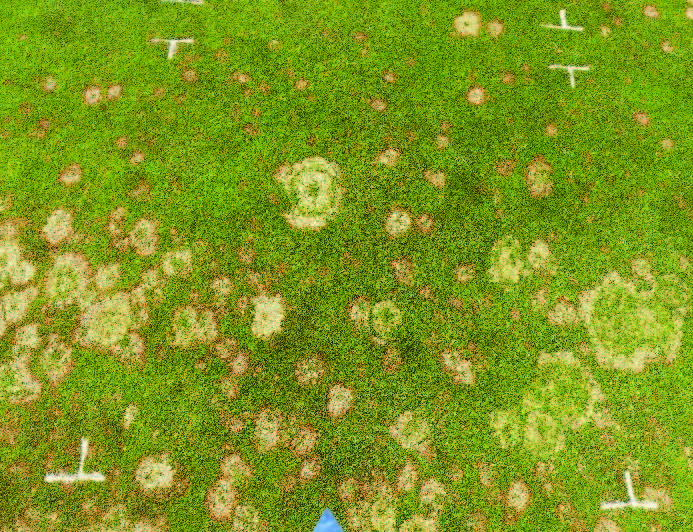
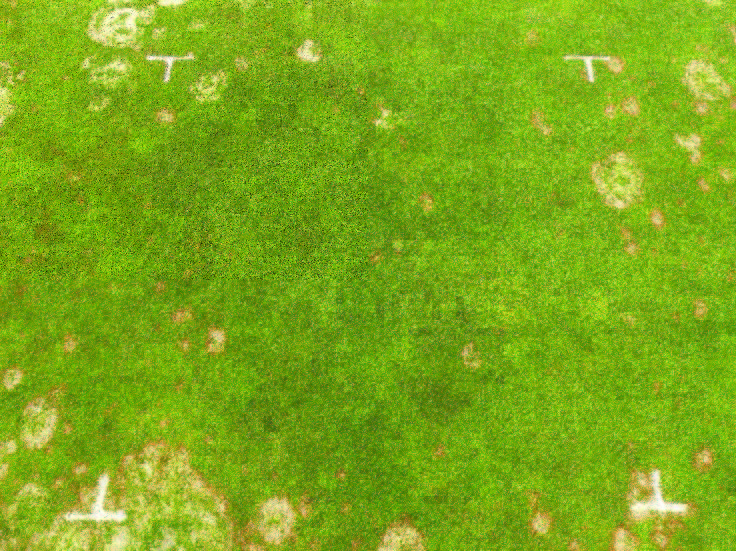
Across multiple U.S. universities—including Michigan State, Arkansas, Oregon State, and Mississippi State—the Plant Fitness PF3 system has shown:
- Superior colour response
- Stronger root systems
- Better stress tolerance
- Noticeable winter colour retention
- Improved all-round performance
Even in freezing Michigan winters, PF3 plots remained visibly greener and more resilient than competitors.
Pulling It All Together: The Path to High-Performance Turf
Turf fitness isn’t achieved with one product or one practice. It’s the result of a holistic system:
✔ Protect photosynthesis: Support chlorophyll, mitigate stress, and maintain energy production.
✔ Build energy reserves: Supply amino acids, peptides, and biochemicals that reduce the plant’s energy burden.
✔ Support the root–microbe relationship: Use carbon and organic acids to support active soils and fibrous rooting.
✔ Activate natural defense pathways: Condition turf to respond faster and withstand stress.
✔ Provide balanced nutrition: Deliver essential nutrients consistently and in the right form.
When these components work together, turf becomes fitter, stronger, and more resilient, season after season.
The Turf Fitness philosophy is about empowering the plant. By supporting the natural systems that drive energy, growth, recovery, and defense, we help turf managers achieve surfaces that perform at their best… no matter the pressure.
Plant Fitness is Parkland’s commitment to elevating turf performance with science-backed technology and practical, season-long support.